

Winter in New England can be beautiful — but it also brings heavy snowstorms, deep drifts, and serious challenges for homeowners who rely on propane for heating, hot water, cooking, and more.
During big snowfalls, it’s easy to forget that snow piling up around your propane tank, vents, and appliances doesn’t just look pretty — it can present real safety risks, delivery issues, and efficiency problems for your home systems.
At Yankee Total Energy, your comfort and safety are our top priorities. That’s why we’ve put together this comprehensive guide to help you understand why keeping your propane tank area clear in winter matters, what hazards to look out for, and exactly how to stay safe and prepared during snowy weather.
This guide will walk you through:
-
Why propane tank access matters in snowy conditions
-
How snow and ice around vents can create dangerous conditions
-
What areas need attention (and what areas you should never touch)
-
Step-by-step snow removal guidance
-
Best practices for winter propane deliveries
-
Expert safety reminders and preventative measures
Let’s begin by understanding why snow near your propane systems is a big deal.

Why Clearing the Propane Tank Area Is Critical in Winter
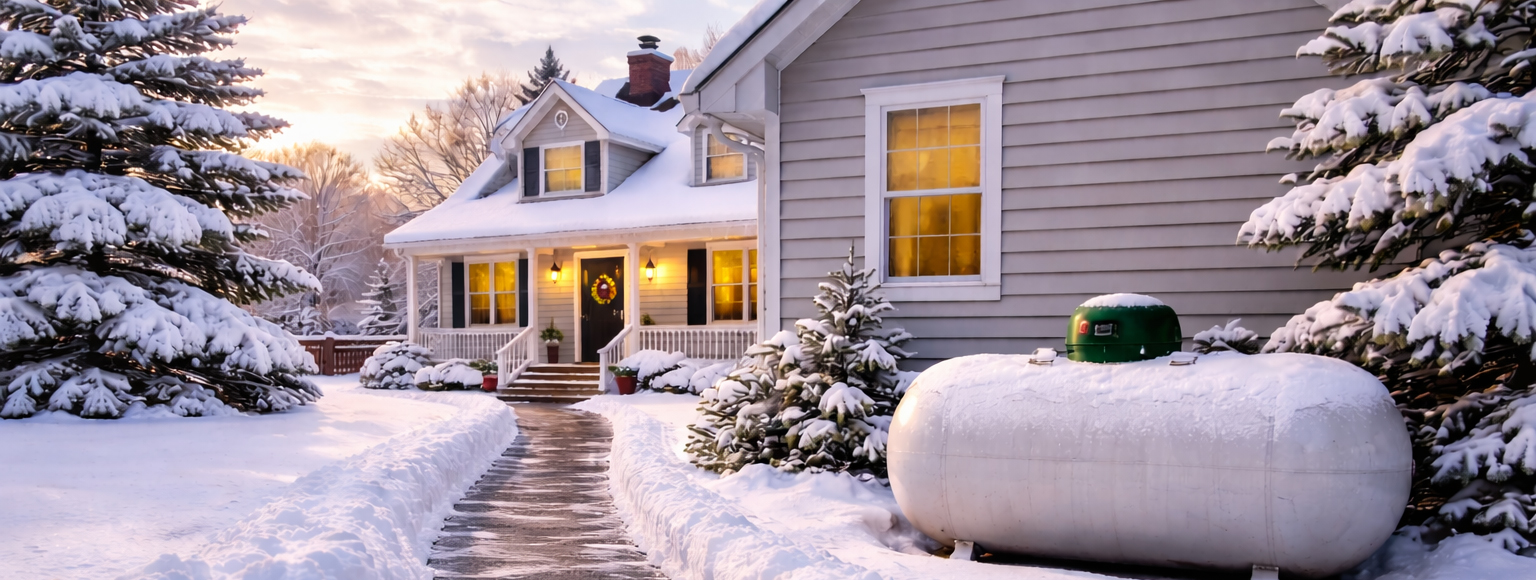
Your propane tank — whether above ground or buried just below the surface — needs clear, safe access all season long.
When heavy snow accumulates, it can:
❄ Obstruct Delivery Access
Delivery trucks must be able to reach your propane tank’s filling connection. If the fill pipe or regulator is buried in snow or blocked by snow banks, drivers may not be able to safely refill your tank. That could mean:
-
Delays in delivery
-
Risk of running low on fuel
-
Emergency service calls
❄ Interfere With Safety Equipment
Regulators, valves, relief vents, and gauge hatches on your tank must remain visible and free from snow and ice. If these safety elements are covered:
-
Pressure issues may arise
-
Valves might freeze or operate improperly
-
You — or your provider — can’t check tank levels or conditions
❄ Create Slips, Trips, & Hazards
A snow-covered path to your propane tank or outdoor appliances makes moving around your property dangerous for family members and for delivery drivers.
With chimney-like snowdrifts and ice buildup, even walking out to the tank can be risky without a maintained pathway.
❄ Conceal Potential Problems
If snow hides your propane system components, you won’t be able to spot:
-
Leaks
-
Damage from prior storms or freezing
-
Ice accumulation around fittings
The bottom line? Snow doesn’t belong near your propane tank area — and clearing it isn’t just about convenience, it’s about home safety, efficient delivery, and peace of mind.
Why You Also Need to Clear Snow From Exhaust Vents
In addition to keeping your propane tank area clear, several appliance exhaust points on your home must remain unobstructed throughout the winter:
✔ Dryer vents
✔ Furnace exhaust vents
✔ Propane water heater vents
✔ Boiler vents
Snow and ice can easily cover these openings. When vents are blocked, it prevents normal airflow and safe ventilation. That stops harmful combustion gases — including carbon monoxide — from exiting your home properly.
❗ The Dangers of Blocked Vents
Blocked vents can lead to:
-
Carbon monoxide buildup inside your home
-
Improper combustion and incomplete fuel burning
-
Reduced system efficiency
-
Frost buildup on vents
-
Safety shutdowns in appliances
This is why inspecting and clearing vents after every major snowfall is key to home safety.
Step-By-Step Guide: How to Safely Clear Snow & Ice
Follow these steps to ensure your propane tank area and home vents are safe and accessible:
1. Identify All Critical Locations Before Snow Hits
Before a big storm arrives:
✔ Locate your propane tank and fill pipe/regulator
✔ Identify vent locations for:
-
Furnace
-
Water heater
-
Dryer
-
Boiler (if applicable)
✔ Mark these spots if they’re hard to see in calm weather
Knowing where critical openings are before snow piles up saves time and keeps you from digging blindly in dangerous conditions.
2. Use the Right Tools — and Avoid Dangerous Ones
To remove snow safely:
✅ Use a plastic snow shovel or snow blower
These tools are less likely to damage tank fittings, pipes, or vent caps.
🚫 Avoid metal shovels near propane equipment
Metal tools can scratch, dent, or puncture soft surfaces and protective coatings.
For vents, use:
-
A soft-bristle brush
-
A long-handled broom
-
Snow rakes (for higher vents)
These let you gently remove snow without risking damage.
3. Create a Clear Path to Your Propane Tank Area
When clearing snow around your tank:
✔ Remove snow down to ground level if possible
✔ Create a wide path (3–4 feet) that’s easy to walk through
✔ Keep snow piles far from the tank, vents, and regulators
Even if the tank itself is above the snow level, high wind and drifting can quickly bury it or the access path.
A clear path helps:
-
Delivery drivers reach the fill safely
-
You check tank levels
-
Maintenance personnel work if needed
4. Clear Snow Around Vents — Gently & Thoroughly
Focus on:
✔ Dryer vents
✔ Furnace exhausts
✔ Propane water heater vents
✔ Any other direct-vented appliances
When snow packs into a vent:
-
Never stick tools into the vent opening
-
Gently brush snow off the vent cap
-
Make sure airflow is unobstructed
Blockage can happen during the storm and afterward, as wind drifts redeposit snow.
5. Inspect After Every Storm — or Ongoing Snowfall
Clearing snow once isn’t always enough. Snow can:
-
Drift back into cleared areas
-
Build up again during the night
-
Refreeze around fittings or vents
Make it a habit to:
✔ Re-check vents and tank area after each snowfall
✔ Maintain cleared access paths
✔ Re-clear snow if wind drifts alter the area
Consistent checks help ensure systems run safely all winter.
Special Issue: Ice & Snow Turned Hard
In extreme cold, snow can harden into ice — especially near shaded areas, vents, and on the tank.
If this happens:
❄ Pour warm (not boiling) water to soften ice buildup
❄ Re-shovel gently once ice loosens
Do not:
🚫 Use metal objects to chip ice
🚫 Strike the tank or fittings with heavy tools
Damaging equipment can lead to leaks or unsafe conditions.

Propane Delivery Tips for Winter Weather
Heavy snow doesn’t have to interrupt propane delivery — but preparation helps.
Here’s how to make winter deliveries smoother:
✔ Keep Your Tank Visible
Even if your tank is buried a few inches below the snow line, keep the:
-
Fill pipe
-
Regulator
-
Gauge
-
Tank top (if above ground)
Clear and visible.
✔ Create & Maintain a Path
Delivery drivers should be able to:
✔ Walk to the tank safely
✔ Work without obstruction
✔ Keep tools from contacting snow banks that could shift
Clear space all around the tank and access point.
✔ Call Early — Don’t Wait
If your gauge is getting low or a storm is approaching, reach out to Yankee Total Energy early in the week.
Waiting until after heavy snow arrives can delay service and limit access.
✔ Report Problems
Let us know if:
✔ Snow drifts re-bury access
✔ Ice makes access difficult
✔ Vents or equipment appear buried
We can offer guidance or plan delivery around conditions.
Winter Safety Reminders You Can’t Ignore
When it comes to propane systems, safety isn’t optional.
Here are some key reminders:
🔹 Never Spray or Pour Chemicals Around the Tank
Avoid:
-
Ice melt
-
Salt
-
Chemical de-icers
These can damage fittings, regulators, and metallic surfaces.
🔹 Inspect Piping & Fittings
Before winter sets in — or as snow arrives — take a quick look at visible piping and connections.
If you see:
-
Rust
-
Dents
-
Loose fittings
-
Frost on connections
Call Yankee Total Energy right away.
🔹 Watch for Strange Appliance Behavior
Dead or blocked vents can cause:
✔ Short cycling
✔ Unusual flame color
✔ Soot buildup
✔ Poor performance
If this happens during winter, check vents first — then call for support.
Why Routine Winter Preparation Pays Off
When heavy snow arrives — like it is right now — having a plan makes all the difference.
By keeping your propane tank area and all ventilation points clear you:
✅ Protect your family’s safety
✅ Help your systems operate efficiently
✅ Reduce interruptions in heating and hot water
✅ Avoid emergency service calls
✅ Keep delivery schedules on track
Getting proactive today prevents problems tomorrow.
A Quick Winter Propane Safety Checklist
Use this printable list every time snow hits:
Before Snow
✔ Locate propane tank and vents
✔ Mark access points
✔ Get all safe tools ready
✔ Communicate plans with family
During Snow
✔ Clear paths in manageable sections
✔ Brush vent openings gently
✔ Keep access wide and safe
✔ Take regular breaks to avoid fatigue
After Snow
✔ Re-inspect vents and tank area
✔ Maintain cleared access
✔ Report any concerns
✔ Stay alert for drifting snow
Final Thoughts from Yankee Total Energy
Winter’s beauty shouldn’t compromise your safety or comfort. Heavy snow and storm conditions are part of living in our region — but with the right preparation and ongoing care, you can stay warm and worry-free all season long.
Remember:
✔ Keep propane tank areas and vents clear
✔ Use safe tools, not hazardous ones
✔ Inspect after each snowfall
✔ Communicate with your propane provider early and often
Have questions or need help with snow removal guidance or scheduling deliveries during this storm?
Contact Yankee Total Energy today.
We’re here to keep your home safe, warm, and running smoothly — season after season.